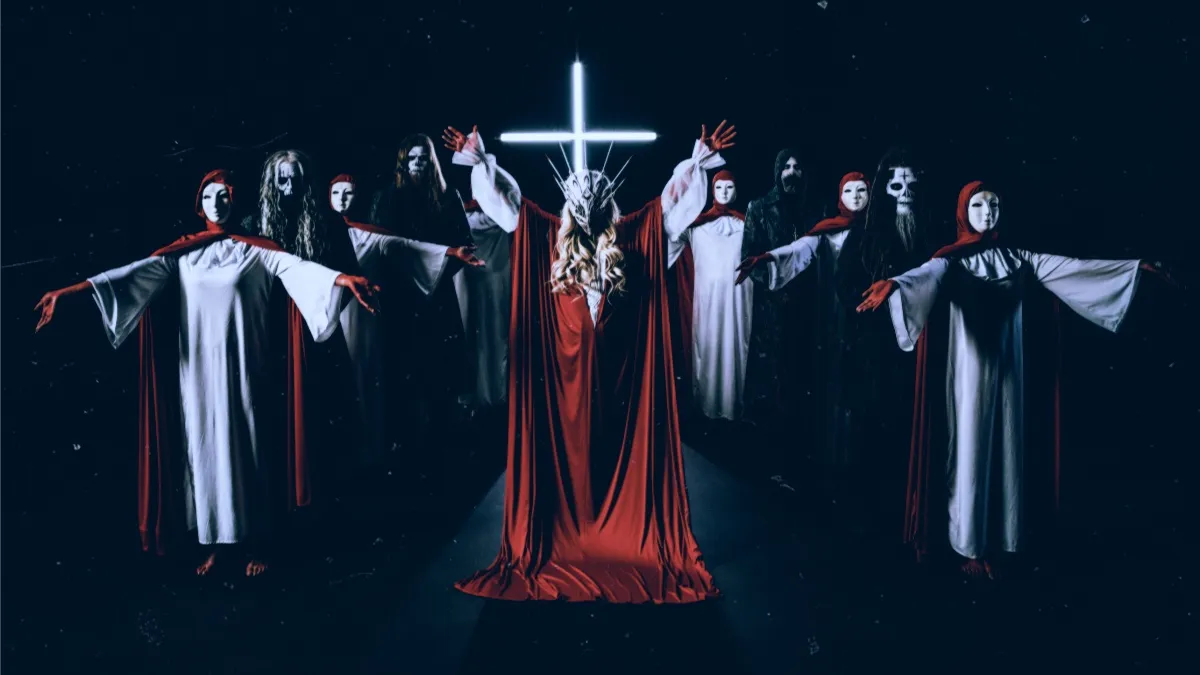
For more than two decades, In This Moment have built a world where beauty and brutality exist side by side. Frontwoman Maria Brink has transformed pain, trauma, sexuality, spirituality, and survival into something theatrical and empowering. On their ninth studio album, Witch, the band takes that transformation even further, delivering what appears to be one of the most personal, confrontational, and spiritually charged chapters of its career.
Witch is not simply an album title—it is a declaration.
Throughout the record’s imagery and themes, the witch represents far more than the familiar figure of folklore. She becomes a symbol of creation, intuition, persecution, rebellion, and personal power. Brink uses that symbolism to explore the process of taking suffering and turning it into strength. Rather than allowing pain to define her, she appears determined to reclaim it, reshape it, and use it as fuel.
Musically, Witch brings together many of the elements that have defined In This Moment’s modern sound: crushing industrial riffs, cinematic electronics, haunting melodies, seductive atmosphere, and explosive vocal performances. The production feels massive and theatrical, creating songs that seem designed not only to be heard but also to be experienced onstage.
“Crawl” immediately establishes the album’s confrontational spirit. Built around a pounding riff and Brink’s commanding vocals, the song serves as a warning to those who gain power by controlling, exploiting, or hurting others. It carries the tension of a reckoning waiting to happen. The message is clear: those who force others to crawl may eventually find themselves brought to their knees.
“Sleeping With the Enemy” continues that atmosphere of distrust and emotional warfare. Dark, aggressive, and hypnotic, the track captures the realization that danger does not always come from strangers. Sometimes it exists beside you, hidden behind familiarity, affection, or false loyalty. Brink moves between vulnerability and fury, giving the song a sense of emotional conflict that feels deeply personal.
Then there is “Heretic,” featuring Kim Dracula, one of the album’s most chaotic and unpredictable moments. The collaboration brings together two artists who thrive on theatricality and genre disruption. Industrial metal, electronic experimentation, screams, whispers, and unsettling vocal shifts collide in a track that celebrates refusing to obey the expectations of others. It is intentionally abrasive, rebellious, and impossible to ignore.
The album’s guest appearances also suggest that Witch is interested in expanding In This Moment’s established formula. Dayseeker appears on “I Want to Believe,” a pairing that promises to combine Brink’s dramatic intensity with Rory Rodriguez’s emotionally vulnerable vocal style. The song’s title hints at a struggle between faith and doubt—a desire to believe in something despite disappointment, betrayal, or fear.
Kat Von D joins the band for a reinterpretation of Pink Floyd’s “Another Brick in the Wall.” Cover songs have long allowed In This Moment to reshape familiar material through their own dark, cinematic identity, and this selection fits naturally within the album’s themes of control, conformity, and rebellion. Rather than functioning as simple nostalgia, the song has the potential to become another statement about resisting systems that attempt to silence individuality.
Even more intriguing is the inclusion of “Something I Can Never Have,” originally written by Trent Reznor and recorded by Nine Inch Nails. The song’s despair, longing, and industrial atmosphere make it an almost perfect match for Brink’s voice. In This Moment’s interpretation promises to turn its quiet devastation into a dramatic final chapter, closing the album not with easy victory, but with emotional emptiness and unresolved desire.
Other titles—including “Shame,” “Into the Dark,” “Father,” and “Without Me There’s No You”—suggest that Witch will dig deeply into identity, damaged relationships, guilt, control, and the complicated bond between suffering and self-discovery. The album appears to move like a ritual: beginning with shame, entering darkness, confronting enemies, challenging authority, and eventually emerging with a new understanding of personal power.
What makes this era especially compelling is that In This Moment are not attempting to abandon their past. Instead, they are refining everything they have become. The sensual darkness of Blood, the spiritual imagery of Ritual, the political anger of Mother, and the industrial aggression of Godmode all seem to feed into Witch. Yet the record still carries an identity of its own—more mystical, reflective, and focused on transformation.
Maria Brink remains the center of the storm. Her voice can sound wounded one moment and terrifying the next, moving from ghostly melodies to commanding screams without losing the emotion beneath either style. Chris Howorth and the rest of the band provide the weight behind her performance, surrounding each confession with grinding guitars, electronic textures, and arena-sized rhythms.
Witch feels like an album about refusing to remain powerless. It acknowledges persecution, betrayal, shame, and abuse without surrendering to them. Instead, those experiences are placed into the fire and transformed into something stronger.
In This Moment have always understood that true power is rarely clean or comfortable. It can be painful, frightening, seductive, and deeply personal. With Witch, the band steps into that darkness willingly—not as victims, but as creators of their own reality.
This is not merely In This Moment entering another era.
It is the sound of them reclaiming the fire.
Rating: 9/10