

- This event has passed.
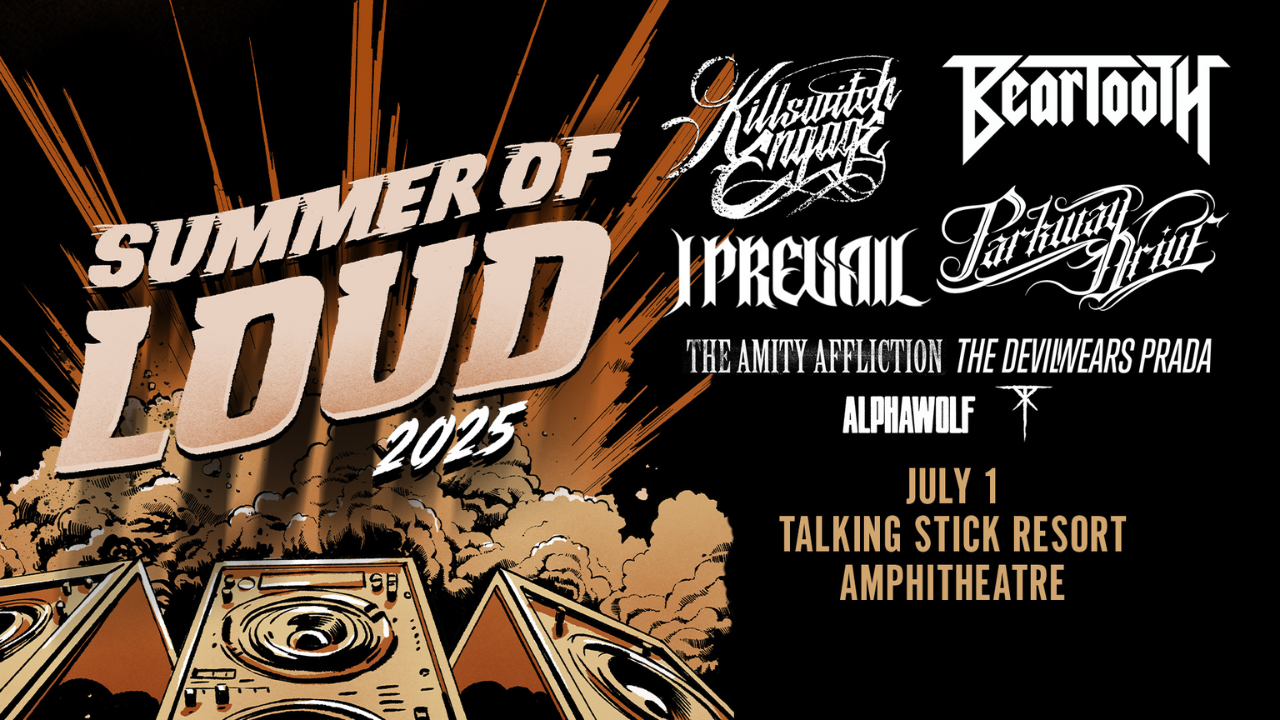
Summer of Loud Tour 2025 at Talking Stick Resort Amphitheatre
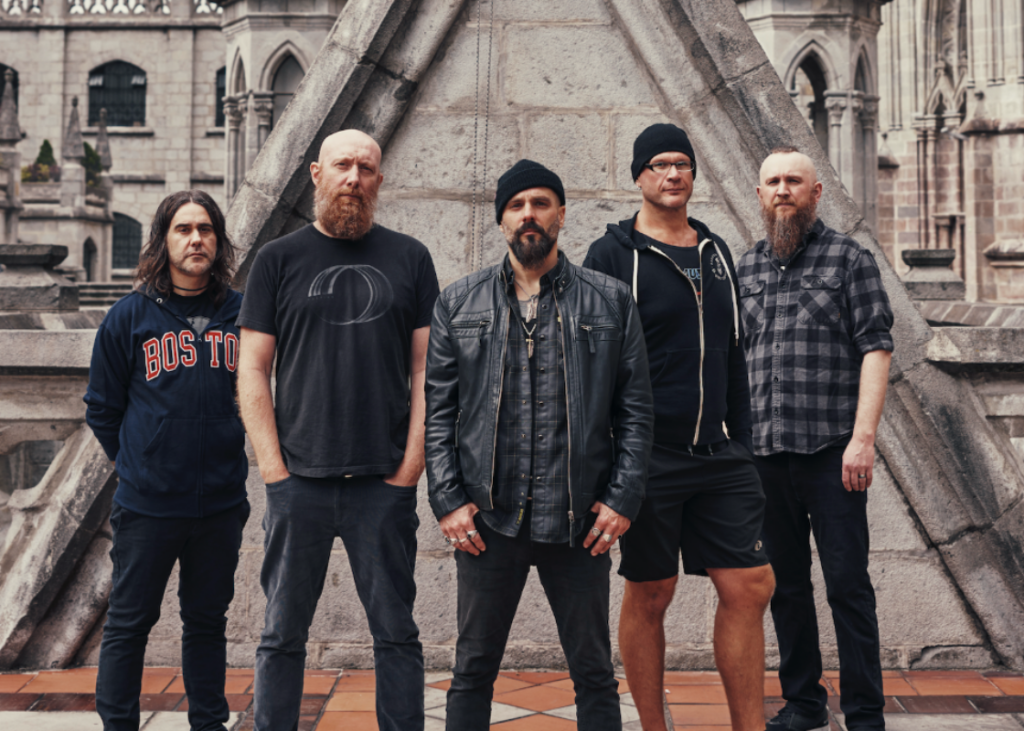
Killswitch Engage first shook the structure of heavy music upon climbing out of snowy industrialized Western Massachusetts in 1999. A musical outlier, the band pioneered a union of thrashed-out European guitar pyrotechnics, East Coast hardcore spirit, on-stage hijinks, and enlightened lyricism that set the pace for what the turn-of-the-century deemed heavy. 2002’s Alive Or Just Breathing became avowed as a definitive album, being named among “The Top 100 Greatest Metal Albums of the Decade” by Decibel and celebrated by everyone from Metal Hammer to Revolver. Not only did they bust open the floodgates for dozens to follow, but they also garnered two GRAMMY® Award nominations in the category of “Best Metal Performance” in 2005 and 2014, respectively, and gold certifications for The End of Heartache [2004] and As Daylight Days [2006]. The group landed three consecutive Top 10 debuts on the Billboard Top 200 with Killswitch Engage [2009], Disarm The Descent [2013], and their career high best bow at #6 with Incarnate [2016]. The latter two releases would also both capture #1 on the Top Rock Albums and Top Hard Rock Albums charts. Their total streams have exceeded half-a-billion to date. Along the way, the band has shared stages with some of the biggest acts in the world and has sold out countless headline gigs in six continents across the globe.
2019 represents another turning point. The quintet—Adam Dutkiewicz [guitar, production], Joel Stroetzel [guitar], Mike D’Antonio [bass], Justin Foley [drums], and Jesse Leach [vocals]—sharpens every side of this signature sound on their eighth full-length and first for Metal Blade, Atonement. The vision the band initially shared two decades ago crystallizes like never before.
“To me, the name Killswitch Engage means ‘Shut the system down’,” exclaims Jesse. “It’s anti-authority and anti-corruption. My lyrics are very spiritual and political. It’s a part of what Killswitch has been since the beginning. We carry the message through the live show. There’s a sense of fun, enjoying life, and emotional catharsis. I don’t even know if we meant to do it consciously, but this showcases all of our styles. It happened naturally. I’m proud of it.”
“This is another honest record,” says Justin. “We’re just being who we are and writing the best material we can.”
“People take themselves way too seriously,” adds Adam. “We love metal, but we also love melody and we want to have a good time. That’s who we are; we don’t act like your typical ‘metal band.’
Atonement proves that. It earmarks the culmination of a trying and turbulent two years. The musicians started kicking around ideas as early as 2017. The band recorded the bulk of the material separately, with Adam once again behind the board. They worked at Signature Sound for drums and Adam’s own Wicked Good Studios for guitars, both based in San Diego. Meanwhile, Mike cut his bass tracks wherever he could: on the road in hotels, in dressing rooms backstage, and at home. Vocals were recorded on both coasts at Mainline Recording Studios in Westfield, Massachusetts and Wicked Good Studios. In the middle of the process, a polyp developed scar tissue in Jesse’s throat, forcing him to undergo surgery. The intense three-month recovery ended with speech therapy, vocal therapy, and scream therapy.
“At first, I was wondering if I was done career-wise,” he admits. “It worked out though. Out of everything came a real determination to learn techniques and get a second chance at becoming a better vocalist. I have so much more control of my voice and can scream properly. I don’t think the album would be what it is if I didn’t go through all of this.”
His “trial-by-fire” on stage came during a 2018 tour with Iron Maiden as he regained “confidence” performing in front of sold out arena and stadium crowds. At the same time, he experienced a debilitating bout of writer’s block. By the end of this run with the metal gods, Adam took him aside and offered words of inspiration.
“I shared my unfinished lyrics, and he said, ‘You don’t even need all of these. Keep it simple.’,” Jesse goes on. “I was stressed out. I was insecure. A lot was going on in my head between writer’s block and the surgery. It was amazing to have a friend and producer like Adam mentally slap me upside the face and encourage me.”
“Jesse did a really great job with the words and melodies,” remarks the guitarist. “At the same time, I strove to write songs that were really thrash-y and aggressive. We’ve got more butt-kickers than we usually do.”
Signing to Metal Blade also stoked this fresh fire. “We were all excited to kick off a new chapter,” says Justin. “We’ve known Brian Slagel forever. We have friends who have worked with him. We went into this with a sense of optimism about what we could potentially do on this cycle with Metal Blade on our side.”
The opener and first single “Unleashed” tempers ominous drums with foreboding guitars before descending into a chantable refrain. “It’s the genesis of the whole thing,” explains the frontman. “For me, it’s about the inner animal and darkness we all have inside. Thankfully, I’ve only had it come out a few times in my life. The chorus felt like something people could relate to.”
“The Signal Fire” steamrolls from airtight thrashing towards an expansive and entrancing refrain. Boasting a guest appearance from former Killswitch Engage singer and current Light The Torch vocalist Howard Jones, it sparks a pyre of metallic mastery, joining two eras of the band on one anthem.
“I had an image from Lord of The Rings when they climb to the top of the mountain and light a fire to signal for backup,” says Jesse. “It felt powerful to me. At the same time, Howard’s Light The Torch was making new music. I thought, ‘‘Light The Torch’and ‘Signal Fire’ make sense together.’ It needed to be a call-to-arms, and I wanted to invite him to sing on it. We hit it off for the first time, recently. Afterwards, we were texting back-and-forth. We needed a song with him to show the fans there’s solidarity. It’s a perfect ode to our bond as brothers and a nice nod to Light The Torch.”
Elsewhere, legendary Testament mainman Chuck Billy brings his unmistakable guttural growl to the possessed power of “Crownless King,” which Adam rightfully refers to as “fucking awesome.” On the other end of the spectrum, the soaring chorus of “I Am Broken Too” assures “someone struggling with mental illness or suicidal thoughts not to give up, because there are more of us than you think,” as the singer reminds. Then there’s “As Sure As the Sun Will Rise,” which builds towards a triumphant chant, turning a corner thematically over thunderous percussion and punch-y guitars.
In the end, Killswitch Engage lengthen their legacy while blazing another new path—the system won’t be the same again.
“I want to take all of that energy, negativity, and shit I suffer with and turn it into something positive to make people feel a sense of hope,” Jesse leaves. “Acknowledge the darkness and fight through it. If you keep pushing, you will persevere. There will always be a ray of hope.”
“I want fans to enjoy this,” Adam concludes. “When I listen to metal records, I get pumped up and excited. I hope our fans can get just as excited when they hear our songs and watch us play live. Do you really want to pay money to look at someone pretending to be a badass? It’s not what we do. If we’re laughing, we’re enjoying it—and we are enjoying this one.”
BOILER
Killswitch Engage first shook the structure of heavy music upon climbing out of snowy industrialized Western Massachusetts in 2000. A musical outlier, the band pioneered a union of thrashed-out European guitar pyrotechnics, East Coast hardcore spirit, on-stage hijinks, and enlightened lyricism that set the pace for what the turn-of-the-century deemed heavy. 2002’s Alive Or Just Breathing became avowed as a definitive album, being named among “The Top 100 Greatest Metal Albums of the Decade” by Decibel and celebrated by everyone from Metal Hammer to Revolver. Not only did they bust open the floodgates for dozens to follow, but they also garnered two GRAMMY® Award nominations in the category of “Best Metal Performance” in 2005 and 2014, respectively, and gold certifications for The End of Heartache [2004] and As Daylight Days [2006]. The group landed three consecutive Top 10 debuts on the Billboard Top 200 with Killswitch Engage [2009], Disarm The Descent [2013], and their career high best bow at #6 with Incarnate [2016]. The latter two releases would also both capture #1 on the Top Rock Albums and Top Hard Rock Albums charts. Their total streams have exceeded half-a-billion to date. Along the way, the boys have shared stages with some of the biggest acts in the world and have sold out countless headline gigs in six continents across the globe.
2019 represents another turning point. The quintet—Adam Dutkiewicz [lead guitar], Joel Stroetzel [rhythm guitar], Mike D’Antonio [bass], Justin Foley [drums], and Jesse Leach [vocals]—sharpen every side of this signature sound on their eighth full-length and first for Metal Blade, Atonement. The vision they shared two decades ago crystallizes like never before as evidenced by the first single “Unleashed,” “The Signal Fire” [feat. Howard Jones], “Crownless King” [feat. Chuck Billy], and “I Am Broken Too.”
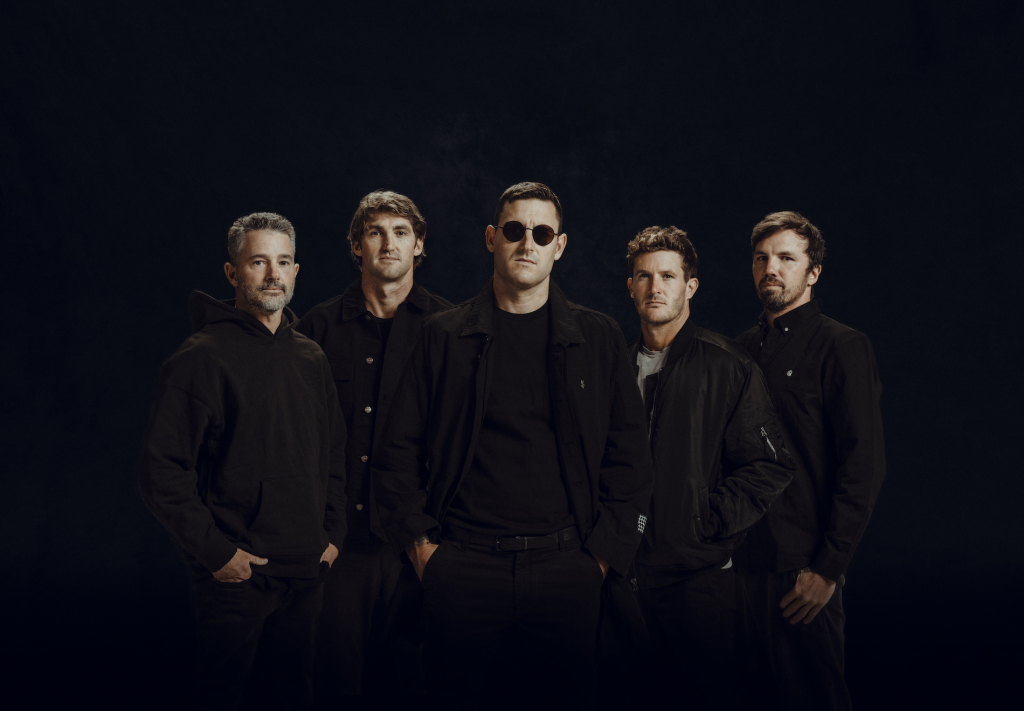
In the kitchen of the Byron Bay home of Winston McCall stands a refrigerator, adorned on one side by a quote from Tom Waits: “I want beautiful melodies telling me terrible things.”
This, the Parkway Drive vocalist says, is a pretty good summation of himself. It holds true, too, as one of the guiding principles behind Darker Still, the seventh full-length album to be born of this picturesque and serene corner of north-eastern NSW, Australia, and the defining musical statement to date from one of modern metal’s most revered bands.
Darker Still, McCall says, is the vision he and his bandmates – guitarists Jeff Ling and Luke Kilpatrick, bassist Jia O’Connor and drummer Ben Gordon – have held in their mind’s eye since a misfit group of friends first convened in their parents’ basements and backyards in 2003. The journey to reach this moment has seen Parkway evolve from metal underdogs to festival-headlining behemoth, off the back of close to 20 gruelling years, six critically and commercially acclaimed studio albums (all of which achieving Gold status in their home nation), three documentaries, one live album, and many, many thousands of shows.
“When Parkway originally started out, we all were trying to push ourselves to do more than we possibly could,” is how McCall explains it. “The better we got at it, the more comfortable we got, to the point where it became all comfortable. That is when we chose to acknowledge that just being comfortable was not necessarily doing justice to the skills and the creativity that you have grown over the years. What you hear on Darker Still is the final fulfilment of our ability to learn and grow catching up with the imagination that we have always had. These are the kinds of sounds we always had in mind. This is the way we always dreamed.”
To understand that growth is to understand Darker Still, both musically and thematically. Those who thought they had Parkway Drive figured out – the unrivalled energy, the high-octane breakdowns, McCall’s trademark bark – need reconsider everything they know about Australia’s masters of heavy. Not that anyone truly paying to their recent evolution should be surprised, though. “This is a journey we began with Ire, and which grew further still on Reverence,” McCall says, referencing the band’s preceding 2015 and 2018 works, respectively. In that context, it is easy to view Darker Still as the curtain-closer on a transformative trilogy that has seen Parkway reach new heights of creativity and success by eschewing the restrictive, safe conventions of genre and abandoning their own self-imposed rules in favour of a wide-eyed appreciation of bold new horizons. “There are compositions and songs that we’d never attempted before – or, to be more accurate, which we have attempted in the past, but not had the courage, time or understanding to pull off,” McCall reveals.
The vocalist would be the first to tell you that in order to grow, you have to let go of the past; a mantra Parkway embraced tighter than ever before when it came to blueprinting Darker Still. McCall describes how “we wanted to make a record that stood alone from the records we hear at this point in time”; one that delivers on “a more expansive sound, which allows a new weight to fall into the music.” Gordon, meanwhile, says it features “some of the heaviest moments we have ever created, but it is a different kind of heavy: an emotional catharsis that you can feel in every cell in your body.” The drummer is brutally honest in his reflection that, between “the ever-changing COVID lockdowns, government mandates, travels restrictions and tense personal relationships within the band”, Darker Still was the most challenging moment of the band’s career. Ling offers agreement, admitting that the three-year journey of writing and recording – which commenced as far back as April 2019 and would conclude in February 2022 following three months in the studio with producer and engineer pairing George and Dean Hadjichristou – “broke me by the end” as he juggled lockdown family life with the “daunting task of trying to stick everyone’s ideas together” in his downstairs home studio.
“When writing songs, we have a few questions that we ask ourselves that helps define our creative path,” he explains of the gruelling process. “‘What will this song achieve?’ ‘Why does this song deserve to be on this album?’ ‘What emotional response will this song provoke in the listener?’ If all these points check out, we know we are on the right path.”
“We are very much a collaborative band when it comes to song writing,” says Gordon. “Each song goes through several layers of scrutiny and refinements before the final version emerges. Some songs are completely unrecognisable from the first rendition to what ends up on the record.”
And so while Darker Still remains irrefutably Parkway Drive, it finds the band sonically standing shoulder to shoulder with rock and metal’s greats – Metallica, Pantera, Machine Head, Guns N’ Roses – as much as it does their metalcore contemporaries. “I wanted a classic guitar tone for this record,” explains Ling, who credits much of his inspiration to the connection his riffs have with a crowd in a live setting. “I’ve always been drawn to early ‘90s metal, so something along these lines with a modern edge was my jive. Creatively my goal was to write intricate and intriguing music that is also simple enough for everyone to understand and enjoy. We made a conscious decision to not go overboard with layering and soundscaping. This move would help reinforce our raw and classic album vision.”
“Production wise, we wanted to have a slight throwback to the ‘90s, leaning into some more real and natural sounding tones, which gives the record more character,” nods Gordon, whose work behind the kit on Darker Still – “Less about how much I could show off, and more about what will best compliment the song,” is his simple assessment – is emblematic of the record at large. “It took us a long time to learn about the importance of dynamics,” he says. “We now pick our moments much more and let the song breathe when it needs to.”
It is a revivified sound that provides the backdrop for some of McCall’s most personal and introspective songs yet. Exploring the concept of the ‘dark night of the soul’ – “The idea of reaching a point in your life where you are faced with a reckoning of your structure of beliefs, your sense of self and your place in the world, to a point where it’s irreconcilable with the way that you are as a person,” as McCall describes – Darker Still unfurls like the great rock concept albums, from Pink Floyd to, most comparably, Nine Inch Nails’ The Downward Spiral.
Amongst ruminations on society’s fear of death, societal isolation and a loss of humanity, its 11 tracks play out in a classic three-act structure. Ground Zero opens its ‘setup’; a “reckoning with your own internal monologue, says McCall, which ominously speaks to “the fights, the falls, the scars and broken bones” and how “beneath it all, the cracks begin to show…” Its second act – its ‘confrontation’ – frames the album’s title track at its core: a classic rock epic about “love and time” that spans a near seven-minutes and which evokes Metallica’s Nothing Else Matters. The album’s ‘resolution’, meanwhile, concludes with From The Heart Of Darkness: a brooding monster that opens with McCall’s contemplative searching (“There’s a war going on inside, nobody’s safe from / You can run, but you can’t hide / When it’s your soul you must confront”) before exploding with its mosh-call of “Fury be my victory!”
“I wanted the end of the record to mirror my experience to a degree of what this journey has been like for me,” McCall reveals. “I found that I was always afraid of showing defiance to be honest and true to myself, even if that meant sacrificing who I was to become a better version of who I could be. That has to be ripped from the darkest part of you, because the darkest part of you is what you are always afraid of in the first place. It’s the thing that you don’t want to shine the light on. It’s the element that you don’t want to show people, which you shy away from, which you’re too scared to embody.”
It is a closing statement that truly defines Darker Still. This is the Parkway Drive the band have been striving to be for two decades. Ling says it best: “I’m really proud of what we have achieved together, and feel that as musicians, we have really ascended to new realms of class and ability.” Emerging from the darkness of the past few years, this is the true face of Parkway: redefined and resolute, focused in mind and defiant in spirit.
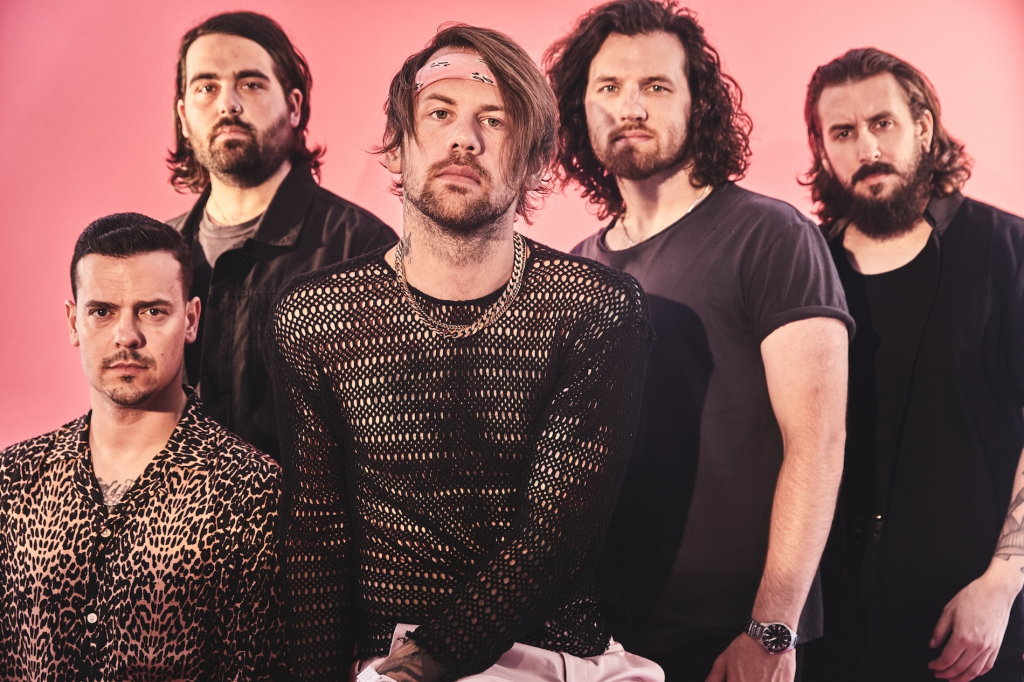
Caleb Shomo first turned the pain of his struggle with mental health and self-image into music in 2013. Beartooth began as a living document, a diary, a journal of repressed rage and depression. Alone in his basement studio, screaming and singing, playing all the instruments, and self-producing a batch of furious but melodic songs filled with reflection and confession, the Ohio native stared into the abyss, initially with no intention of returning to the heavy music world that burned him as a teen. A decade later, the different pieces of his body of work connect in title, sound, and spirit. As the frontman hits 30, Beartooth’s fifth album, he Surface, completes this era in 2023. Even more importantly, it kicks off a new chapter filled with surprising optimism and just as honest. Depression is a sick, disgusting, aggressive disease below the surface. Shomo stands ready to bask in the light.
Like Nine Inch Nails, Beartooth remains a one-person band in the studio. On the heels of the introductory Sick EP (2013), Disgusting (2014) produced the band’s first Gold single, “In Between.” Aggressive (2016) and Disease (2018) expanded on the desperation and pain, each a step closer to a balance between the blood and tears of classic recordings and the shimmer of modernity.
Rolling Stone heralded Beartooth as one of 10 Artists You Need to Know. The rabid response to Shomo’s music demonstrated how many people related to his struggle for self-acceptance. Below (2021) topped the Rock and Alternative charts and several Best Rock/Metal Albums of the Year lists. As of 2023, the Beartooth catalog boasts more than 1 billion streams across all platforms.
Beartooth began as both bomb and balm, an outright refusal to suffer in silence, weaponizing radio-ready bombast, delivering raw emotion mixed with noise-rock chaos. Other bands play the “devastating riffs and catchy hooks” game, but this music is the difference between life and death, and now, a sort of life after death while still here. The band Forbes sees “inching towards a tipping point of becoming the latest arena headliner” is now one step closer.
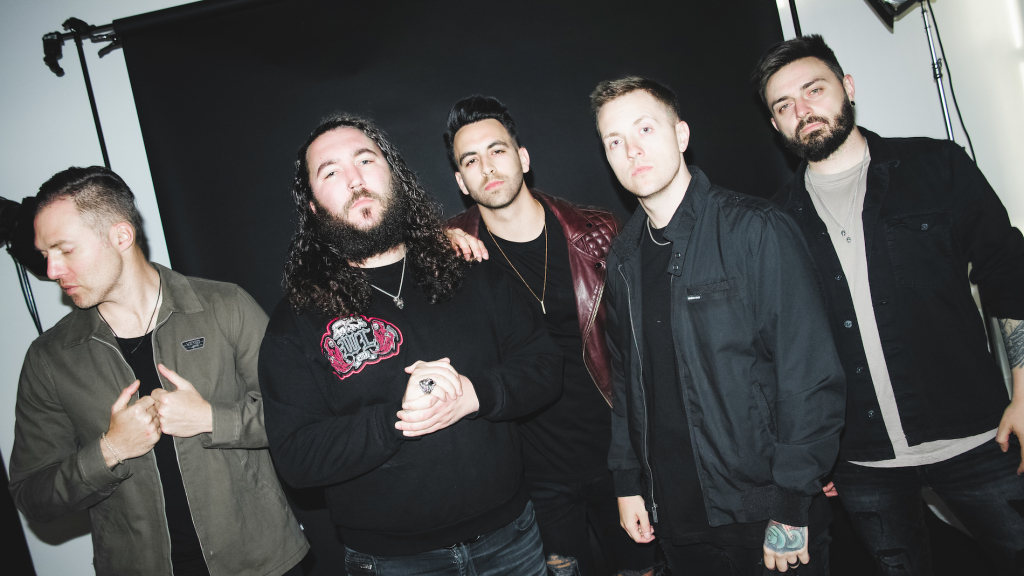
Platinum-certified and twice GRAMMY-nominated Michigan rock powerhouse I PREVAIL — Brian Burkheiser (vocals), Eric Vanlerberghe (vocals), Steve Menoian (guitars/bass), Dylan Bowman (guitars), and Gabe Helguera (drums) — are back with TRUE POWER, their third full-length offering on Fearless Records.
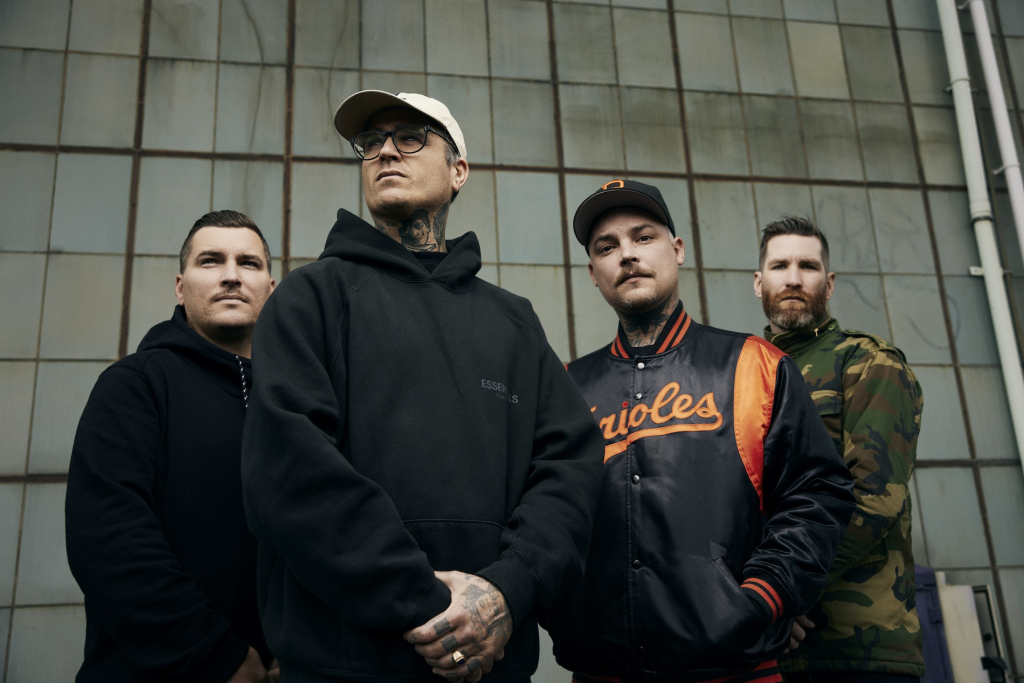
The real story hides below the surface and beneath the veneer.
If you disregard the façade, peel back the layers, and take a closer look, you might get to the truth. The Amity Affliction cocoon raw honesty in haunting hooks, pummeling grooves, and rapturous riffs. The Australian heavy alternative quartet—Joel Birch [vocals], Ahren Stringer [vocals, bass], Dan Brown [lead guitar], and Jon Longobardi [drums]—unearth a powerful truth on their seventh full-length and debut for Pure Noise Records, Everyone Loves You Once You Leave Them.
“Social media is so fickle,” asserts Joel. “The internet horde’s response is often, ‘You’re a successful musician. There’s no way you can have depression. Fuck you!’ The other side isn’t always shown. This is a great job, and we’re blessed. Like anything though, it’s not all roses. After somebody dies, you hear the mob say, ‘Oh my God, that artist was such an inspiration.’ I’m sick of the ignorant animosity towards mental illness in music or any profession for that matter. We have a platform. We have the opportunity to say something, so that’s what we’re doing.”
“Saying something” remains a reason why they consistently connect. Since emerging in 2008 on the debut Severed Ties, the four-piece has preserved this bond. They served up two ARIA gold-certified albums, Youngbloods [2010] and Chasing Ghosts [2012], and earned a platinum certification from ARIA for the seminal Let The Ocean Take Me [2014]. This Could Be Heartbreak [2016] marked the band’s second consecutive Top 30 debut on the Billboard Top 200, while Misery [2018] elevated them to new critical heights with praise from Medium, Alternative Press, The Noise., and more. To date, the group’s total stream tally has surpassed 200 million and counting. Meanwhile, The Amity Affliction sold out countless headline shows and toured alongside many genre heavyweights. During 2019, the musicians returned to Beltsville, MD to record alongside Misery producer Matt Squire.
This time around, they incorporated more guitar and embraced heavier tendencies.
“We went back to our heavier side for the majority of the album,” says Ahren. “We were trying to master the craft and write what we want to hear. Even though we’re older, the maturity comes out a bit more with each record.”
“We just got back to a more of rock guitar sound,” agrees Joel. “We wrote naturally, and it felt great.”
The bludgeoning “All My Friends Are Dead” introduced the record, racking up 1.5 million Spotify streams within a month and receiving praise from the likes of Kerrang! On its heels, the single “Soak Me In Bleach” vaults from gnashing grung-y guitar to a sweeping and soaring clean chant.
“The imagery of ‘Soak Me In Bleach’ isn’t something we’d usually use,” Ahren goes on. “It’s super dark, but it’s got a boppy grunge vibe.”
On the other end of the spectrum, the vulnerable “Aloneliness” stretches from electronic-infused emissions into a disarmingly dynamic chorus, offsetting pop palatability with a heartbreaking confession.
“It’s straight-up about being bipolar,” reveals Joel. “It’s the constant struggle to figure out who I am now. It’s the morbid and negative part of my existence. Luckily for me, I’ve got music. I have that daily releasee on tour. I don’t know what I’d do without it. There are individuals who aren’t that fortunate and are struggling to have some form of escapism.”
Fueled by a blast beat and a deluge of screams, “Catatonia” cuts deep. “When we were recording Misery, my friend killed himself,” sighs Joel. “We were alone in Toronto. The weather was miserable. His death just hit me like a ton of bricks, and I spent several hours on the floor unable to move.”
Elsewhere, “Forever” sees Joel directly discuss his bipolar diagnosis and “the balancing act between happiness and despair” over an unpredictable sonic backdrop. “Coffin” closes tight on “leeches who want to suck the joy out of everything” with caustic ebbs and flows.
In the end, The Amity Affliction get real on Everyone Loves You Once You Leave Them.
“I want everyone to know there are others out there whose lives look amazing, but they’re still struggling,” Joel leaves off. “Mental illness is uncompromising and indiscriminate. You can’t help it. It’s not your fault. That’s it.”
“I’d love for people to go on this journey with us,” Ahren concludes. “Maybe it could make their day a little better. I live for music; it keeps me going. If we can do that for someone else, that would be amazing.”
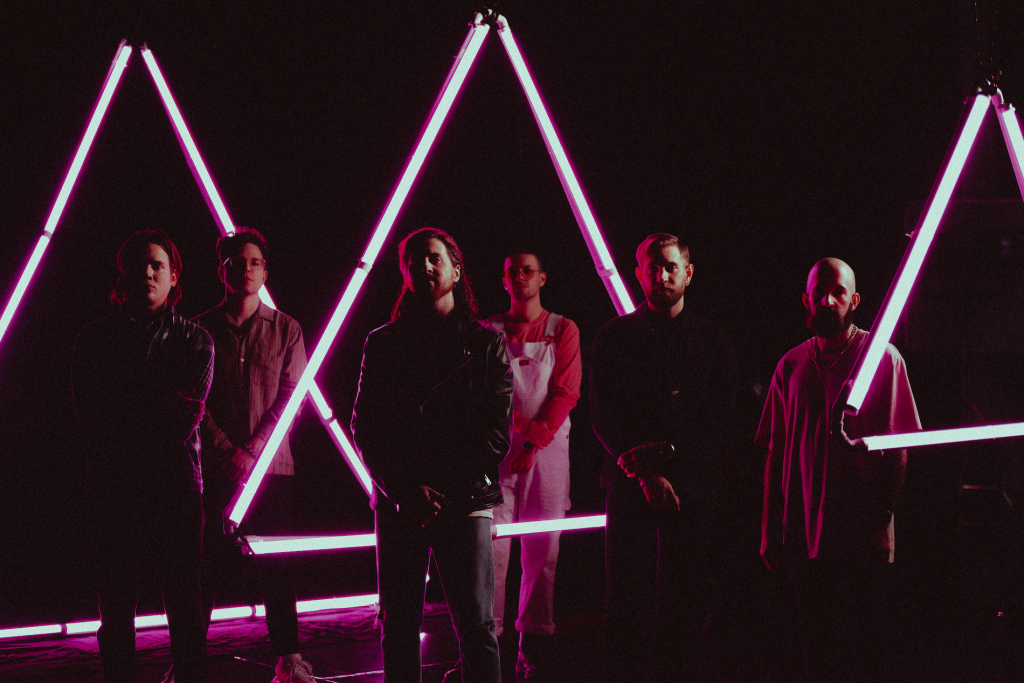
Contrast gives art dimension. The juxtaposition of two seemingly disparate elements sparks friction, bringing life to any canvas. The Devil Wears Prada rely on contrast as they nimbly balance metallic turbulence, hardcore spirit, provocatively eloquent lyricism, and melodic exorcism. In between these opposing extremes, the band—Mike Hranica [vocals], Jeremy DePoyster [guitar, vocals], Kyle Sipress [guitar], Jonathan Gering [keys, synths, programming, production], Giuseppe Capolupo [drums], and Mason Nagy [bass]—have fashioned an ever-evolving signature style buttressed by layers of sonic hues. Such dynamic divergence defines the group’s eighth full-length offering, Color Decay [Solid State].
“It’s about contrast,” observes Mike. “We’ve really tried to create individualism within the songs and make them distinct. The title references the disintegration and discoloration we experience from daily struggles. Those feelings come with mental health, getting older, and dealing with it. We confront these fights over a lengthy period of time. This record goes up and down, which I’ve always liked for an LP. You will want to listen to it from front-to-back.”
“It’s a transparent look inward at what it’s like to be a mid-30-year-old trying to find a balance,” Jeremy adds. “You have to work, hang out with your family, pay attention to your friendships, and still take care of yourself. The music is the moment you can be your total self though. It’s a safe place to release those emotions that are hard to open up about.”
They’ve harbored this space since forming in 2005. Speaking to the band’s growing influence, fans voted 2009’s With Roots Above and Branches Below one of the “5 Greatest Metalcore Albums” in a Revolver poll as the outlet christened it “a true metalcore landmark.” The group have notched six consecutive Top 5 debuts on the Billboard Top Hard Rock Albums Chart, including Dead Throne [2011], 8:18 [2013], Space EP [2015], Transit Blues [2016], The Act [2019], and ZII EP [2021]. The latter served as a sequel to one of their most beloved projects 2010’s Zombie EP. Upon arrival, mxdwn applauded ZII as “phenomenal,” and Metal Injection went as far as to claim, “This mini-concept has outlived the zombie revival.” In the wake of the EP, the group exceeded a-quarter-of-a-billion cumulative streams and views.
During 2021, the musicians decamped to remote hideaways together in Wisconsin and Desert Hot Springs, California. This time around, Jon took the reins as producer, collaborating closely to assemble a rich sonic architecture for what would become Color Decay.
“We feel very comfortable in the process we’ve established by working with a producer who’s literally in our band,” smiles Jeremy. “Mike and I have been doing this for 17 years now. Jon took on the role of project leader and figured out how to extract the best parts from everyone and put them into a unified piece. He excelled on ZII and pulled an amazing story out of Mike. It turned into a super collaborative project. We articulated these dark themes and melodies and connected them musically.”
“We created a lot of momentum with ZII and felt very rewarded by the positive experience,” Mike adds. “It steamrolled into these new songs. I tried to paint with a broad brush and did my best to color the vision.”
They initially teased out the record with “Watchtower” and “Sacrifice,” generating excitement and anticipation. Setting the stage for Color Decay, a driving riff uplifted by luminous keys gives way to a subdued verse on the single “Salt.” Melodic vocals hover above an otherworldly soundscape before snapping back into a hypnotic hook, “Pour the salt into the wounds, let the rain wash over you.”
“It’s a resignation to suffering,” Mike notes. “It essentially says, ‘I’m already beaten down, so keep pouring salt into the wound. Why not?’ It’s a realistic reaction. Go ahead. Push me off the edge now.”
Then, there’s “Time.” An airy intro bleeds into a pummeling groove punctuated by vicious vocals before eventually spiraling towards what Mike describes as “the goth dance party.”
“As much as the songs look inward, there are some bigger narratives,” the frontman goes on. “I wanted to blow the ceiling off what I view as the cliches within heavy music. Sonically, ‘Time’ goes to some awesome places. In real life, time itself moves incredibly fast, but it moves incredibly slow. The song addresses that.”
“Broken” translates tense emotions into a cathartic chorus, “I know I’ve got my problems.”
“Jon struggles with anxiety, and most of the guys in the band do to a certain degree,” Jeremy states. “A lot of the lyrics detail a very personal experience with anxiety. The content is relatable, but it’s in another lane for us.”
Warbling vocals groan between menacing synths and crunching distortion on the head-bashing “Hallucinate.” Mike screams, “I’d do anything for some kind of relief.”
“I was reading The Morning Star,” Mike reveals. “It switches between these different perspectives. One of them belongs to a nurse who’s taking care of a patient struggling with a brain tumor. As the tumor expands in your brain, it can cause pain and hallucinations. The track is essentially about a person hallucinating alone in a hospital bed and seeing these horrific images. It’s a narrative song, and its industrial nature really spoke to me. I don’t think it’s like anything we’ve ever done before.”
Color Decay concludes with the heart-wrenching finale “Cancer.” Guitar marches underneath a searing refrain, “I hope that it’s cancer and not something else, because I don’t need anymore things I don’t want to talk about.”
“One of Jon’s heroes passed away and the first thing he thought was, ‘I hope he died peacefully rather than from suicide or a drug overdose’,” says Mike. “It’s an introspective look at how difficult it can be to watch your heroes pass away from all of these terrible ways and the guilt of this immediate thought about how this person died.”
By contrasting these extremes, The Devil Wears Prada achieve balance like never before.
“There’s a focus to the album we haven’t had in a very long time,” Jeremy leaves off. “Coming out of the last 2 years, we’ve reflected on what is important to us—playing in this group and performing live. This record proves we’re not going anywhere. In our minds, we’re very focused on continuing to deliver the best possible music we can.”
“We fought so hard for this, and this album represents where we’re at now,” Mike concludes. “We’ll die on the hill of being The Devil Wears Prada. I believe you can define our band by Color Decay.”